



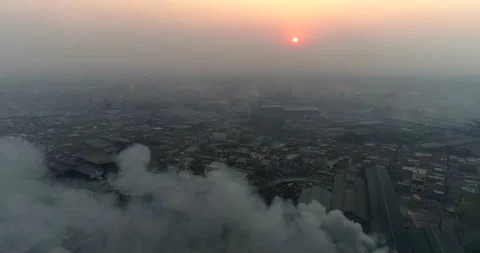

Punjab Chief Minister Maryam Nawaz has vowed a “zero-tolerance” policy toward industrial polluters, with vigilant monitoring teams and intelligence-led operations now underway across the province.
In a major move recently, the Punjab Environmental Protection Agency (EPA) demolished an industrial unit that repeatedly violated smog control laws. The factory, sealed multiple times before, was found operating furnaces overnight, in direct violation of court orders and environmental regulations. The efforts come amid public frustration and judicial pressure on the government to curb Lahore’s worsening pollution.
Despite the crackdown on factories, authorities acknowledge that vehicles remain Lahore’s largest source of pollution, responsible for an estimated 70% of the city’s smog, according to the Lahore High Court.
Heavy diesel trucks, poorly maintained public transport, and unregulated private vehicles emit vast amounts of particulate matter, creating dense clouds of smog along major arteries like Ferozepur Road and Multan Road.
New Measures to Tackle Lahore Vehicle Emissions
Starting November 7, the government plans to bar any truck lacking Vehicle Inspection and Certification System (VICS) clearance from entering the city. Over 14,000 CCTV cameras have been linked to emissions monitoring, while fire trucks will patrol agricultural zones to extinguish residue fires, another seasonal smog contributor.
While the recent improvement in air quality is encouraging, meteorologists and environmental experts agree it’s largely weather-driven. Light rain and shifting winds have helped disperse pollutants — but the root causes remain. Without consistent policy enforcement, cleaner fuels, and an inspection culture that actually works, Lahore’s pollution levels are expected to spike again as winter progresses.
Pakistan’s rapidly expanding vehicle fleet adds another challenge. Many cars and motorcycles still lack proper emission control systems, and fuel standards remain below international benchmarks. The result: a growing number of vehicles emitting more pollutants per kilometer than their modern counterparts elsewhere.
What Lahore Vehicle Owners Need to Know About Emissions
- The new truck/inspection rules signal a tougher era ahead for large commercial vehicles. Logistics operators and businesses will need to ensure fleet compliance.
- For private-vehicle owners, the emphasis on emissions means that maintenance matters more than ever, particularly in an environment where high-sulfur fuel, outdated engines and lax inspections remain prevalent.
- A shift toward cleaner fuels and better inspection regimes may drive changes in vehicle policy, affecting everything from registration to road‑tax incentives and resale values.
The Takeaway
Lahore’s air‑quality improvement is a welcome relief—but it’s only a brief reprieve unless the vehicle‑pollution challenge is tackled head-on.
For motorists, fleet‑owners and “mobile” enterprises, the message is clear: compliance, maintenance and proactive adaptation to stricter vehicle‑emissions regimes are now integral to staying ahead of regulation and contributing to cleaner air.




Comments are closed.